
If you’ve noticed cracks, discoloration, loose panels, or drafts around your siding in Bend, OR, it may be a sign your home’s exterior isn’t performing as it should. In Bend’s climate, with freezing winters, dry summers, snow accumulation, and strong UV exposure, siding problems can develop faster than homeowners expect.
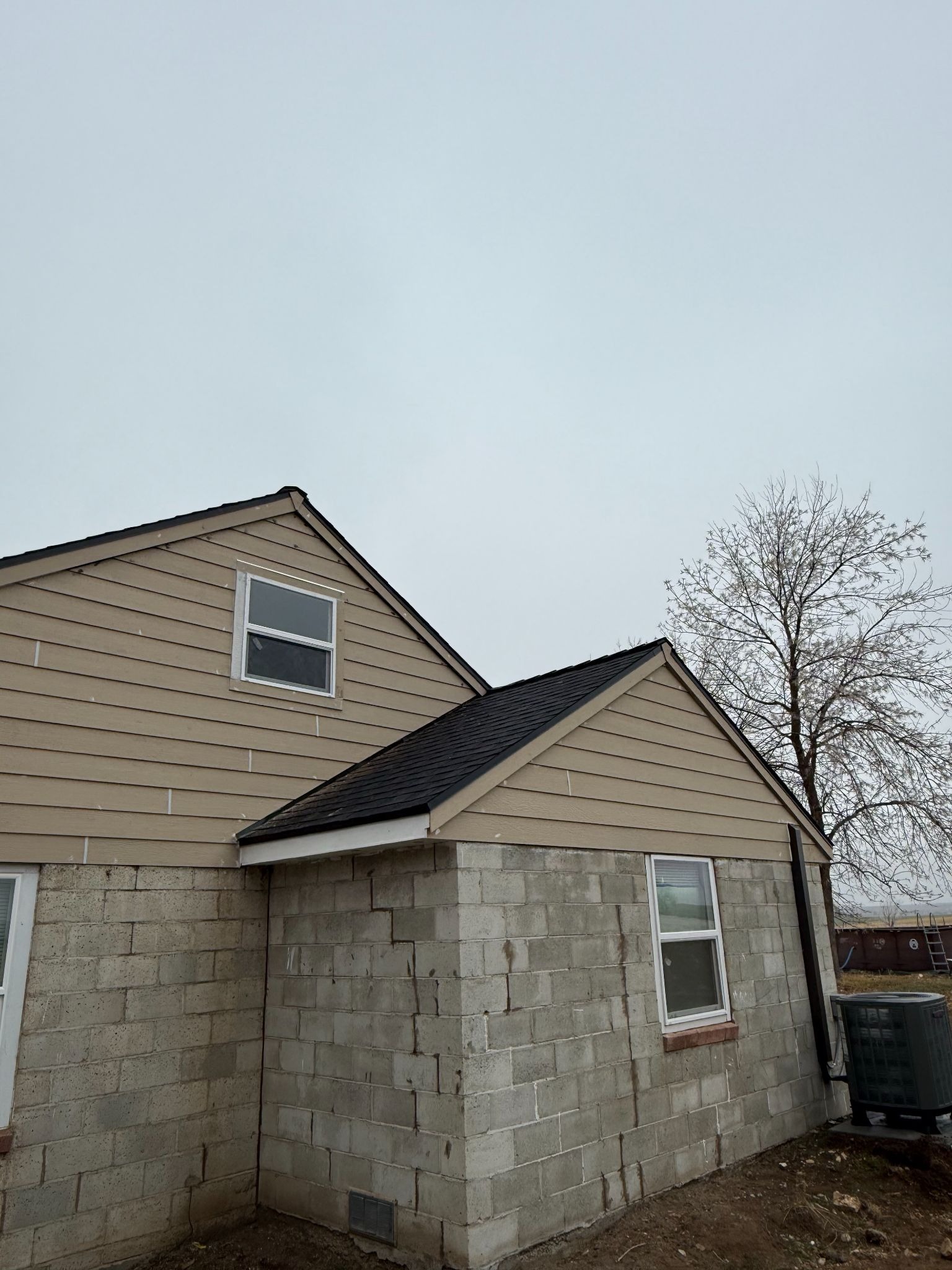
Siding issues are more than cosmetic. Left untreated, they can lead to higher energy bills, water intrusion, pest damage, and even structural deterioration. Here are seven common reasons Bend homeowners experience siding problems and what to watch for.
1. Moisture Intrusion from Snow and Rain
Bend’s fall and winter months bring snow, ice, and steady moisture. When snow piles against your home or melting ice seeps into seams, water can get behind siding panels. Over time, this leads to:
-
Mold and mildew growth
-
Wood rot beneath siding
-
Warping or bubbling panels
-
Soft or spongy wall sections
Professional siding installation in Bend should always include proper moisture barriers and flashing to protect your home from long-term damage.
2. Improper Siding Installation
If your siding was installed incorrectly by a previous contractor, problems may appear within just a few seasons. Poor installation can cause:
-
Gaps between panels
-
Uneven or buckling boards
-
Loose sections that rattle in wind
-
Premature cracking
Given Bend’s temperature swings, siding must be installed to allow proper expansion and contraction. A professional siding replacement ensures long-term durability and performance.
3. Pest Damage Common in Bend
Carpenter ants and other wood-damaging insects are common in the Bend area. If siding has gaps or damage, pests can enter and begin compromising the structure underneath.
Warning signs include:
-
Small holes in siding
-
Sawdust-like debris near the foundation
-
Soft or hollow-feeling boards
Upgrading to pest-resistant siding materials and scheduling routine inspections can help prevent costly structural repairs.
4. Aging and UV Exposure
Bend averages over 260 days of sunshine per year. While beautiful, that intense UV exposure can gradually weaken siding materials. Over time, you may notice:
-
Fading color
-
Brittleness
-
Cracking
-
Splitting or chipping
If your siding is 20-30 years old, especially wood or older vinyl, it may simply be reaching the end of its lifespan in Bend’s climate.
5. Storm Damage and High Winds
Windstorms, hail, and flying debris can damage siding throughout the year. Even small cracks allow moisture intrusion and energy loss.
After major storms in Bend, check for:
-
Missing panels
-
Dents or impact marks
-
Sections pulling away from the home
-
Exposed underlayment
Prompt siding repair prevents more expensive damage later.
6. Lack of Routine Maintenance
Even low-maintenance siding requires occasional care. Dirt buildup, mold, and small cracks can go unnoticed without regular inspection.
To protect your investment:
-
Wash siding annually
-
Inspect seams and corners
-
Check caulking and flashing
-
Address small issues immediately
Routine maintenance extends the lifespan of your home’s exterior and preserves curb appeal.
7. Choosing the Wrong Material for Bend’s Climate
Not all siding performs well in Bend’s freeze-thaw cycles and temperature fluctuations. Materials not rated for extreme swings can expand and contract excessively, leading to cracking or loosening.
Local siding contractors in Bend typically recommend materials engineered for:
-
High UV resistance
-
Moisture protection
-
Temperature flexibility
-
Long-term durability
Selecting climate-appropriate siding prevents premature failure and costly replacement.
Schedule Your Siding Assessment in Bend, OR
If you’re experiencing siding problems, or want to prevent them before they start, Elmer Tobias Construction provides professional siding installation, siding repair, and siding replacement in Bend, OR. Our team understands the demands of Bend’s climate and installs siding built to last.
Call (541) 279-4341 to speak with a local siding specialist or fill out our online form to schedule your free siding assessment today.